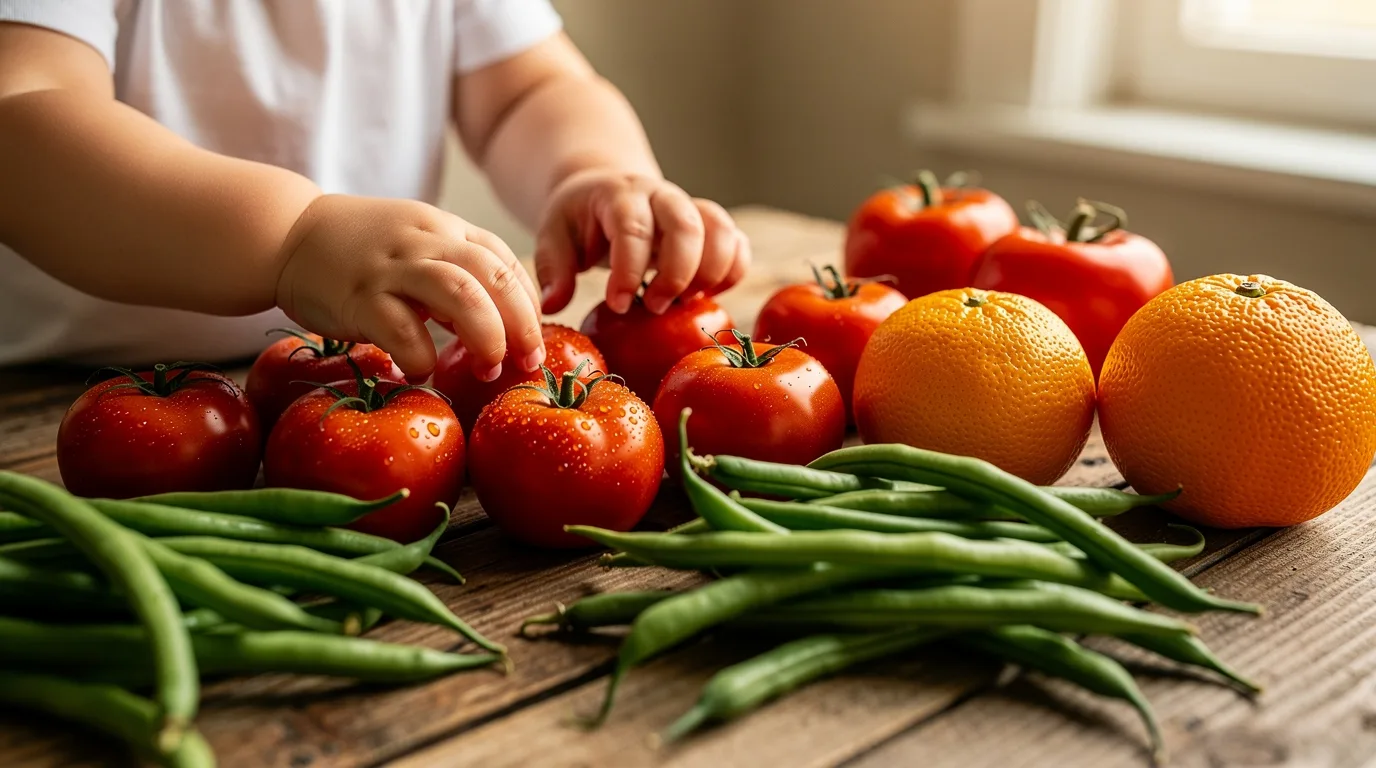
You can transform magazines into powerful sensory tools that develop crucial skills. Create collages to build fine motor control and hand-eye coordination through cutting and gluing. Try accordion-style fan folding for bilateral coordination or set up an “I Spy” treasure hunt to boost visual scanning. These multi-sensory activities, engaging touch, sight, and even sound, are linked to a 34% improvement in retention. Each simple activity opens a new pathway for learning and development.
Key Takeaways
- Engage multiple senses through magazines’ varied textures, glossy finishes, vibrant colors, and the auditory sounds of tearing or crinkling pages.
- Strengthen fine motor skills and bilateral coordination by tearing magazine pages for collages, which develops pinch strength and hand-eye coordination.
- Create folded paper fans or weavings from magazine strips to improve visual tracking, precision, and bilateral coordination through repetitive motions.
- Conduct “I Spy” or visual scanning hunts in magazines to locate specific colors, letters, or objects, enhancing visual discrimination and attention.
- Cut out and sort magazine pictures by category (e.g., animals, food) to build cognitive skills like classification and language development through tactile play.
What Makes Magazines Perfect for Sensory Play?
Magazines serve as an unexpected powerhouse for sensory play, engaging touch, sight, and sound all at once. You’ll find diverse paper textures and weights under your fingertips, from glossy finishes to coarse newsprint, stimulating your sense of touch. Vibrant colors, photographs, and graphic designs capture your visual attention, enhancing focus and cognitive engagement. The act of tearing, rustling, and crinkling pages adds a satisfying auditory layer, processing information through multiple pathways for better retention. Research indicates that this multi-sensory exposure leads to more robust retention and builds foundational neural connections.
This multisensory integration naturally accommodates different learning styles. It builds new neural connections, improves attention span, and can lead to decreased challenging behaviors as you or your child explore, problem-solve, and discover the world through this accessible, low-cost material.
Create a Fine Motor Skills Collage
Ready to channel those vibrant images into purposeful play? Grab magazines, scissors, glue sticks, and sturdy paper to create a fine motor skills collage. Pre-cut pictures matching your child’s interests—animals, vehicles, food—and gather them in trays. Provide practice pages so your child can develop scissor skills. Let them cut straight lines before tackling intricate patterns, using right or left-handed scissors for comfortable grip practice. Cover each cutout’s back with glue and press firmly onto the base. Encourage wild, layered scenes—floating cats beside pizza slices, dogs next to rocket ships. This activity builds small hand muscles, sharpens grip strength, and boosts hand-eye coordination. Your child leads the design, sticking pictures, scraps, and buttons wherever their imagination goes. As your child creates, engage in conversation about their choices to stimulate language and describe textures or colors together. For younger kids, try sticky shelf liner instead of glue—it’s mess-free and still builds those crucial skills.
Set Up a Visual Scanning Treasure Hunt
To sharpen your child’s visual scanning abilities while keeping them entertained, set up a treasure hunt using old magazines and a list of target items.
Grab magazines, scissors, glue, paper, and a compiled list featuring animals, transportation, food, people, and letters. This activity is similar to five themed hunts found in educational scavenger hunt packets. Photograph close-up items from magazines for visual references, or create a photo collage on your phone for easy viewing.
Hand your child the magazine and list, then direct them to flip pages systematically—up, down, left, right—locating and ripping or cutting out matching pictures. Set a goal of collecting fifteen items, then glue them onto paper. You can compete side by side or let them work independently.
Try variations like an alphabet hunt, searching for colors to categorize by hue, or finding letters in their name and gluing them sequentially. This builds attention skills, letter recognition, and systematic scanning patterns useful for word searches and I Spy games.
Try Accordion-Style Fan Folding
After hunting through magazine pages for pictures, grab some copy paper or printed magazine pages and try your hand at accordion-style fan folding — a hands-on activity that doubles as a fine motor workout. You’ll need strong adhesive and binder clips or a staple to secure your creation. Start by folding your paper lengthwise, then create even ¾-inch pleats, creasing firmly back and forth. For a seamless design, align patterns on two identical pieces and glue them into a continuous fan. Secure the center with thread or a rubber band. This activity sharpens your hand-eye coordination and tactile awareness as you handle the paper, while the precise pinching and folding boost bilateral coordination and visual tracking. Once folded, you can stand the fan upright, creating a turkey tail effect perfect for seasonal decorations.
Boost Visual Perception With I Spy
Ever wonder how a simple game of I Spy can seriously sharpen your visual skills? You actively engage brain regions for object recognition and attention shifting as you search. This boosts your visual discrimination, memory, and scanning patterns.
Grab a magazine to make it tangible. Challenge yourself to find specific colors, shapes, or objects based on clues. For example, finding a bright red circle among blue squares relies on feature pop-out, a core principle of visual search. This hands-on hunt strengthens your observation and detail-oriented focus. You can even spy letters or words, linking visual perception to early literacy. The freedom to explore pages at your own pace makes it a powerful, self-directed workout for your brain, enhancing how you process the visual world around you.
Hunt for Letters in Magazine Pages
Give them child-safe scissors to cut out individual letters, building fine motor strength and hand-eye coordination. Once they’ve gathered their finds, sort them into uppercase and lowercase categories using printable worksheets with designated boxes. Glue each letter into place for hands-on reinforcement.
Personalize the hunt by targeting letters in your child’s name or focusing on confusing pairs like “p” and “q.” You can even extend the challenge to finding the entire alphabet in sequential order. This activity, created by former teacher Danielle, gives your child freedom to explore while mastering letter recognition at their own pace.
Categorize Pictures for Learning Games
Building on their scissor skills from finding letters, your child can now cut out colorful magazine pictures to create their own sorting games. Guide them to clip images of animals, food, and vehicles. They can sort these pictures into groups by size, color, or shape on a table or into labeled envelopes. This process mirrors the skill of developing a list of important details from informational texts.
Transform these sorted piles into engaging learning games. Ask them to find the odd-one-out in a group, explaining why it doesn’t belong. Create a simple memory match using duplicate pictures before sorting. For vocabulary building, have them describe the attributes of each picture they place in a category. This hands-on sorting builds critical thinking and classification skills through play.
Tear Pages for Bilateral Coordination Art
Encourage your child to tear magazine pages for art projects, fostering bilateral coordination where one hand stabilizes paper while the other rips. This activity builds proximal stability, supports hand dominance, and develops both body sides for skills like writing and cutting. It’s strengthening pinch strength, arch development, and intrinsic hand muscles.
Start by having your child pinch the paper edge with both hands side-by-side. This is considered a perfect bilateral coordination activity. Hold steady with the non-dominant hand and rip with the dominant hand. You can modify by pre-cutting pages into strips for easier tearing. Practice tearing fringes to a marked point to enhance precision and motor planning.
Use the torn pieces to create collages on construction paper, geometric artwork, or sun scenes. Try varying paper textures—glossy, crepe, or painted—for rich sensory input. Combine tearing with gluing to further boost bilateral coordination, and crumple scraps into balls for a fun tossing game, for proprioceptive input.
Weave Magazine Strips for Coordination
Transform leftover magazine strips into a weaving activity that sharpens fine motor control and bilateral coordination. Cut colorful pages into uniform strips for your warp and weft. Tape longer strips vertically as your base, then weave shorter strips over and under in a consistent pattern. This repetitive motion builds focus and spatial awareness.
You’ll enhance hand-eye coordination while manipulating the materials. Experiment with different color sequences or create a simple twill pattern by alternating the over-under sequence every few rows. Use contrasting colors for your warp and weft to make the weaving pattern show more clearly. Trim the edges and secure them with a dab of glue. Mount your woven piece on a contrasting background to display your rhythmic, focused creation.
Explore Textures With a Magazine Board
After weaving strips to practice coordination, you can engage other senses by creating a tactile board. Start by gathering diverse textures from magazines.
- Cut coarse images like sandpaper or gritty moon sand.
- Select fine textures such as flour dust or silk.
- Include crunchy visuals like fallen leaves or brittle bugs.
- Find mushy pictures from playdough or clay.
- Add ridged clippings of corrugated cardboard or seashells.
Laminate each piece for durability and attach them to sturdy cardboard using tape or Velcro. You’re free to explore by feeling the contrasts, tracing outlines, or even making crayon rubbings. This hands-on board builds texture awareness and sparks creative, open-ended discovery. For additional texture exploration, try texture rubbings by placing paper over the board and rubbing with a crayon to reveal underlying patterns.
Describe Finds to Build Language Skills
Sharpen descriptive language by turning magazine pages into vocabulary launchpads. You can brainstorm words for a cover image, predict topics, and vote on your favorite, justifying your choice. Analyze persuasive headlines to guess what’s inside, then match them to article excerpts or dictated themes.
Focus on attributes by describing objects you find—naming colors, shapes, and sizes. Use adjectives and adverbial phrases to wrap your nouns in detail. Turn a picture hunt into an “I Spy” game, describing locations and character features. Connect images to real-life objects to ground new words in context.
Sort pictures into categories, invent stories from visuals, or hold letter hunts. Each activity builds your vocabulary and descriptive confidence, making language a tool for exploration.
How to Adapt Magazine Play for All Ages
Your descriptive magazine activities can easily scale to engage any age group by tweaking complexity and motor demands. You can tailor each sensory experience to match developmental stages while keeping the core joy of exploration intact.
- Treasure Hunts: Use large stickers for infant grasping, specific item calls for preschoolers, and tiny hidden images for older kids’ visual persistence.
- Confetti Creation: Let toddlers tear large pieces for grasp practice, while older children practice precision tearing or create glued confetti mosaics.
- Fan Folding: Introduce simple half-folds for beginners, accordion folds for preschoolers, and complex multi-page fans for advanced coordination.
- Collage Making: Offer pre-cut images for random sticking, simple shapes for preschool cutting, and detailed narrative scenes for school-age artists.
- I Spy Games: Play with basic colors for toddlers, specific objects for preschoolers, and complex patterns or scenes for older children’s observation.
Create a DIY Magazine Sensory Bin
Building a magazine sensory bin transforms everyday reading material into a hands-on exploration station that kids can dig through again and again.
Grab a large, clear plastic bin with a lid. Tear magazine pages into strips and shreds to create a textured base that invites tactile exploration. Toss in small cutouts—shapes, vibrant images, patterns—that kids can hunt for and sort. Add scoops, tweezers, and spoons to boost fine motor engagement while they sift through glossy and matte textures. The crinkling sounds deliver auditory feedback, and scented inserts can layer in a smell element for richer immersion.
Supervise younger children around small clippings to prevent choking. Place a tarp beneath the bin to catch stray pieces, and seal the lid between sessions to keep everything contained and ready for the next free-form adventure.
Why Combining Senses Boosts Learning
That hands-on exploration with magazines does more than entertain—it leverages a powerful learning principle. Research confirms that combining senses, like touch and sight, engages multiple brain pathways, which boosts information retention, cognitive development, and communication skills. You create stronger neural connections that enhance literacy, math skills, and self-regulation.
- You’ll boost engagement and retention significantly; a 2024 study of 2,400 children found a 34% improvement with multi-sensory learning.
- You’ll enhance academic performance, as sensory integration interventions have led to 18-point gains on standardized tests.
- You’ll improve self-regulation and reduce anxiety, with sensory tools cutting behavioral incidents in classrooms.
- You’ll develop motor and social skills, enhancing coordination, balance, and peer communication.
- You’ll strengthen neural pathways that support cognitive skills like reading comprehension and following multi-step directions.
Use Magazine Play in Virtual Sessions
Bringing magazine play into virtual sessions adapts its multi-sensory power for digital spaces. You’ll display vibrant images for color matching and use animated cutouts for shape games, prompting real-world hunts via video call. Guide tactile exploration by showing textured photos, pausing stories for participants to find matching fabrics or materials in their environment.
Incorporate scent association by presenting magazine visuals of flowers or food, cueing real sniffing and taste-linked aroma explorations. For regulation, combine screen-shared magazine images with real squishy items for stress relief or guide edible, magazine-inspired paints for safe process art. You can rotate these visual prompts to create calming resets, building focus and hand strength through manipulative play. This approach offers flexible, remote sensory integration.
Design a Magazine Mood Board for Expression
When expressing emotions visually, you design a magazine mood board by curating images, textures, and colors that capture your desired feeling. This tactile process grants you freedom to articulate your inner world. You can build your board by:
- Gathering inspiring magazine clippings, textures, and type that resonate with your chosen emotion.
- Selecting 3-5 core colors from your imagery to create a cohesive, expressive palette.
- Arranging elements with hierarchy, letting the strongest piece anchor your composition.
- Adding personal touches like handwritten quotes to deepen the board’s authentic voice.
- Ruthlessly editing to remove anything that distracts from your intended vibe.
This hands-on activity becomes a direct channel for your personal expression.
Conclusion
You can easily turn old magazines into powerful tools for growth. Give new life to those pages by crafting collages that refine little finger skills, or set up a treasure hunt to sharpen observation. Whether you’re folding fans for focus or curating mood boards for expression, you’re tapping into multisensory fun. So go ahead, repurpose those stacks into engaging play that builds key abilities while sparking creativity and calm.